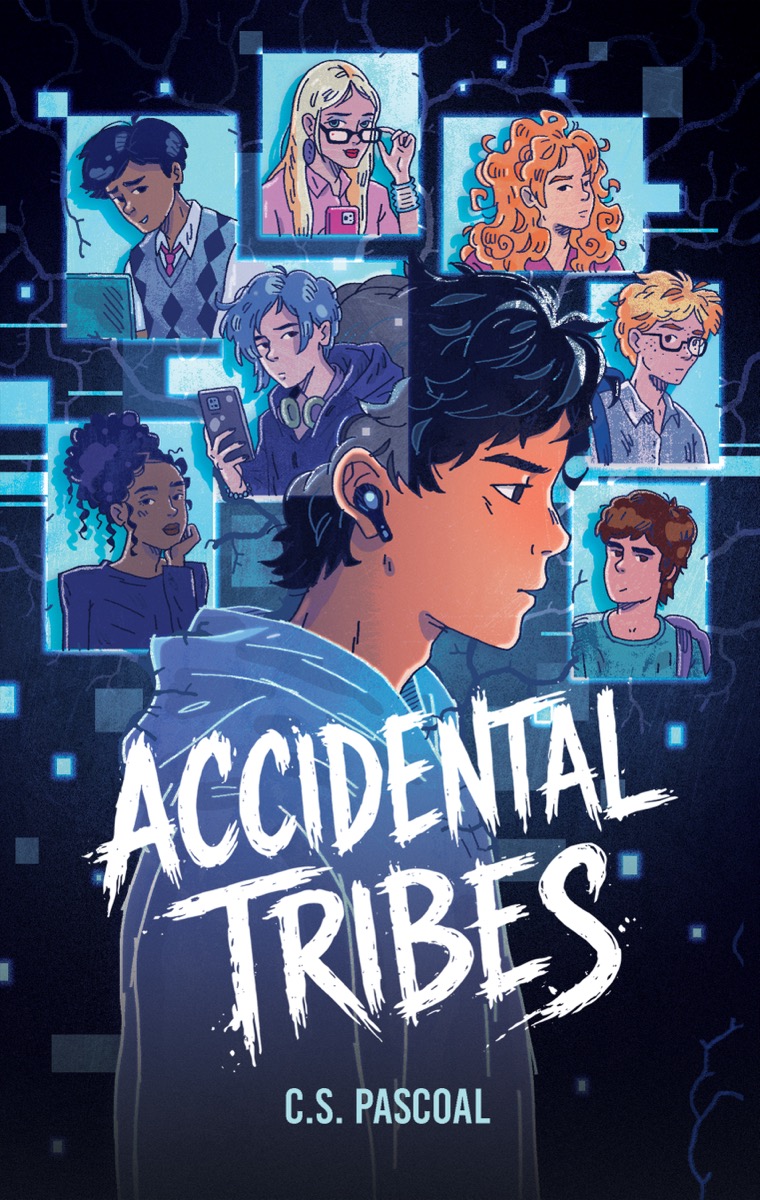
Teen readers had a role in the development of Accidental Tribes. C. S. Pascoal shares what young readers brought to the process and how their perspectives shaped the story.
Did teens read early drafts or influence revisions?
Yes. Accidental Tribes had a Teen Reading Council of 11 teenagers whose responses helped shape the revisions. They marked passages in green and red, giving me direct feedback about what engaged them and what needed attention.
That process mattered because writing for young people requires listening to them. I could have intentions for a chapter and still need to understand how it actually landed with a reader. Their responses helped bring the reading experience into focus. They also reminded me that teenagers bring thoughtful, individual perspectives, so their reactions deserve attention rather than assumptions.
What feedback from young readers changed the book?
The Teen Reading Council’s feedback on Accidental Tribes reinforced the importance of pace and avoiding forced slang. Some of the philosophical passages about technology that I had been most hesitant to share became their favorites. That was an important lesson in trusting young readers’ appetite for substantial ideas.
One 17-year-old council reader said, “I had never thought of people as portals before. This part of the book made me stop and think about the people around me.” That response stayed with me because it describes a reader taking an idea from the story into their own life.
It reminded me that depth can be part of what makes a story engaging. A young reader may recognize a question they have been carrying and want to spend more time with it. The challenge is to make the passage belong to the reading experience and give the reader a reason to care.
That feedback also matters when people ask, “How do I get a reluctant teenage reader interested in books again?” My experience with Accidental Tribes reminded me to listen to what actually holds an individual reader’s attention. A substantial idea can be an invitation into a story.
What do teens tend to understand about the story faster than adults?
The response to Accidental Tribes showed me how readily teens connect with substantial questions about technology and their lives. Their enthusiasm for the deeper passages challenged assumptions about what would hold their attention. They also recognize when adults are trying too hard to sound like them. Emotional honesty matters.
I would be careful about turning that into a rule about every teen or adult reader. What stayed with me was the reminder to trust young people with complexity. They can recognize the significance of an idea without needing it simplified into a lesson or dressed in language intended to sound fashionable.
About the Author
C. S. Pascoal is a technology and social-impact entrepreneur and the author of Accidental Tribes. Based in New York City, she founded UnBoxMe and has worked at the intersection of technology, entrepreneurship, and social impact.
Book website · Instagram · TikTok · YouTube · LinkedIn